In My Florist Era Retro Wavy Svg T-shirt Review
As an embroidery designer with years of experience in crafting and reviewing digital design assets, I approach every new SVG or machine embroidery file with a mix of curiosity and caution. When I first laid eyes on In My Florist Era Retro Wavy Svg T-shirt, it struck me as a design that balances vintage charm with modern versatility. But does it hold up under real-world embroidery conditions? Let’s dive into the practicalities.
First Impressions: A Nostalgic Typography Vibe
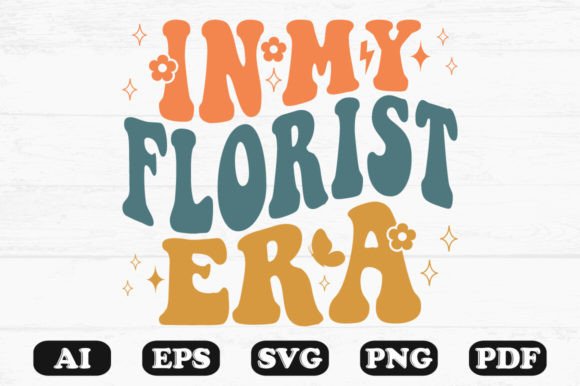
The Retro Wavy aspect is immediately noticeable—this isn’t your standard block text. The wavy lines and soft curves give it a hand-lettered feel, which is perfect for those looking to infuse a touch of nostalgia into their handmade products. The theme of “Florist Era” adds a gentle botanical undertone, subtle enough not to overwhelm but just right to evoke warmth and creativity.
Visually, the layout is clean and centered, making it easy to adapt to different garment types. The level of detail is moderate; there are no intricate flourishes that could cause stitching issues, yet it still feels unique and well-crafted. As a designer who often works with Etsy sellers and small shop owners, I appreciate when a typography-based design maintains visual personality without being overly complex.
Real-World Use Cases for This Design
In My Florist Era Retro Wavy Svg T-shirt has a natural fit in several project types. Here are some scenarios where it shines:
- Custom Apparel Projects: Ideal for creating personalized t-shirts, sweatshirts, or custom hoodies. The retro vibe makes it a great match for boutique-style branding or seasonal collections.
- Tote Bag Embroidery: Especially useful for tote bags used by local flower shops or craft fairs. The design doesn’t demand high stitch density, so it won’t strain delicate fabric or seams.
- Baby Items: If you're planning a baby onesie or romper, this design can be scaled down effectively while maintaining its charm. The wavy script adds a whimsical, soft touch suitable for children's wear.
- Apron Branding: For floral-themed aprons or kitchen accessories, this design complements both rustic and modern aesthetics. It reads well at a glance, which is important for branded merchandise.
- Embroidered Patches: Its balanced composition allows for easy conversion into a patch design. You can place it on denim jackets, backpacks, or even embroidered caps for a nostalgic look.
- Holiday Gift Embellishments: With its warm and inviting tone, it could work beautifully on holiday cards, gift tags, or decorative items like pillow covers and tea towels.
How Customers Might React
When applied to a finished product, customers will likely perceive this design as thoughtful and stylish. It has a certain timelessness that appeals to a wide audience, from millennials into retro trends to older generations who remember the golden age of handwritten florist signs. As an Etsy seller or craft business owner, you’ll find it resonates well with buyers seeking meaningful personalization or aesthetic consistency across their handmade collection.
Where to Use It Carefully
While this design is versatile, there are situations where you might want to adjust your expectations or preparation:
- Small Hoop Sizes: The wavy nature of the text may require careful placement and scaling if you’re working within tight hoop dimensions. Always test before committing to production.
- Textured or Stretchy Fabrics: On fabrics like knits or canvas, the waves might lose definition. Consider using a stabilizer to maintain shape and clarity.
- Thin or Delicate Materials: Because of its open structure, the design might appear too faint on lightweight cotton or linen. Experiment with thread colors and stitch types (like satin stitch) to enhance visibility.
- Dark Fabric Backgrounds: While the design looks great on light tones, it can struggle to stand out on darker materials unless you use contrasting thread colors. A black-and-white mockup can help you visualize this before cutting any fabric.
- Curved Surfaces: When applying it to curved areas such as caps or hats, make sure the file is compatible with your software’s warp or stretch settings. Some embroidery machines handle this better than others.
- Products That Need Frequent Washing: Dense stitch areas can affect durability over time. Since this design is more text-focused, it should fare well with proper thread tension and quality fabric choices.
Impact on Product Value and Branding
This design subtly elevates the perceived value of any product it adorns. Whether it’s a handmade product or part of a commercial embroidery run, the Retro Wavy style contributes to a sense of authenticity and care. For small shop product lines or craft business branding, it helps create a cohesive identity with other vintage-inspired designs.
From a customer trust standpoint, designs that feel intentional and high-quality support your brand’s professionalism. Even if you're a hobbyist, using this kind of embroidery file in your personalized gifts or nursery decor projects can boost buyer engagement and repeat sales.
Design Notes for Practical Application
Here are some key tips to ensure you get the best results when using In My Florist Era Retro Wavy Svg T-shirt in your embroidery projects:
- Test on Scrap Fabric First: Always do a trial run. This lets you check how the design translates from digital to physical form, especially regarding stitch density and overall clarity.
- Check Thread Color Contrast: Choose thread colors that pop against your base fabric. A pastel shade might work on a white tee, but on a gray sweatshirt, consider bold hues for better visibility.
- Review Stitch Density Settings: Since it’s a text-based design, adjusting stitch density can help prevent gaps or puckering, depending on your machine and material.
- Confirm Hoop Size Compatibility: If the original file doesn’t specify hoop size requirements, double-check your machine manual or reach out to the creator for guidance.
- Inspect Small Details: Look closely at the lettering to ensure all characters are clear and properly spaced. Tiny details can become lost if the design is resized incorrectly.
- Use Proper Stabilizer: Especially important for stretchy or thin materials. A tear-away or cut-away stabilizer can help maintain the integrity of the design during stitching.
- Compare Light and Dark Backgrounds: Visualize how the design would look on various fabric colors. Sometimes what appears elegant on a white shirt becomes less effective on navy or black.
- Check Licensing Before Selling: If you plan to sell finished products or offer the design as a digital embroidery file for resale, confirm whether it allows commercial use. Many free files have restrictions that could impact your craft business legality.
Styling Tips for Maximum Appeal
To maximize the design’s potential, pair it with complementary elements. For example, adding a simple floral border or using it alongside a minimalist logo can enhance the handmade presentation. In a sweatshirt embroidery project, placing it slightly off-center gives a casual, lived-in feel. For a custom apparel line, consider using it in a repeating pattern or as part of a layered applique design.
Final Thoughts for Makers and Entrepreneurs
Overall, In My Florist Era Retro Wavy Svg T-shirt is a solid choice for those who value classic style with a modern twist. It fits well into crafts and graphics categories alike, serving as a reliable design asset for a range of creative applications. From holiday gifts to small shop merchandise, it brings a refined, personal touch that many customers appreciate.
However, like any machine embroidery design, success depends on thoughtful execution. Be sure to factor in fabric type, scale, and intended use to avoid any surprises after stitching. As a reviewer, I recommend this design for most mid-to-large format embroidery jobs, particularly where a soft, vintage aesthetic is desired.
If you're looking to build a curated collection of embroidery project templates or expand your digital product previews for an online store, this one deserves a spot in your library. Just remember to always take a practical approach—test, adjust, and tailor it to your specific needs before finalizing your next batch of handmade products.