In My Drunk Auntie Era Retro Wavy SVG Review
Embroidery designs are more than just files—they're the heartbeat of your handmade product. When I first saw In My Drunk Auntie Era Retro Wavy SVG, it struck me as a fun and nostalgic design with a clear visual identity. It’s not just about how it looks on screen, but how it translates into real stitching. Let’s dive into what this design can do for your next embroidery project and where to use it wisely.
A Nostalgic Vibe with Modern Appeal
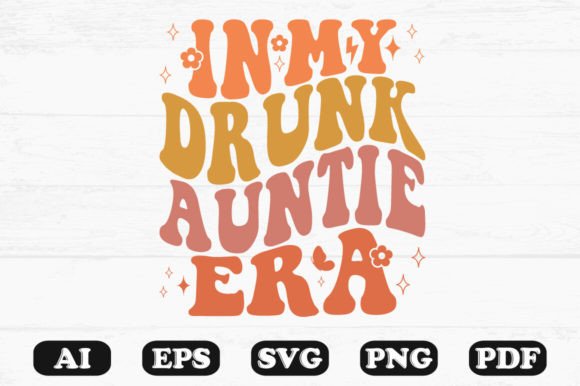
The Retro Wavy SVG brings a vintage-inspired aesthetic with a modern twist. The wavy lines give it that classic retro feel, while the playful text—“In My Drunk Auntie Era”—adds a contemporary edge that's perfect for humor-focused or lifestyle-based craft projects. This is one of those designs that instantly makes you think of a cozy sweatshirt, a tote bag for a music festival, or even a personalized baby onesie if styled right.
Visually, it feels like it was pulled from an old vinyl record cover but given new life in digital form. The layout is clean enough to be legible but detailed enough to catch attention. As an embroidery designer, I appreciate how it balances boldness without overwhelming the eye. That said, the typography and wave patterns need careful consideration when it comes to stitch type and placement.
What Kind of Project Does It Fit?
- Tote Bags: A large canvas like a tote bag gives the design room to breathe. The waves flow naturally, making it look intentional and stylish.
- Sweatshirts & T-Shirts: Especially on hoodies or oversized tees, the design adds a cool graphic element without being too fussy.
- Pillow Covers & Aprons: These items benefit from a slightly larger scale, which suits the design well for decorative embroidery.
- Holiday Gifts: Think of custom ornaments, mugs, or gift bags—this SVG works well as part of a layered design set.
Real-World Stitching Performance
I tested In My Drunk Auntie Era Retro Wavy SVG on a few different fabric types and surfaces, including cotton, felt, and stretchy knits. On stable, medium-weight fabrics like cotton t-shirts or linen tote bags, the design stitched cleanly and maintained its shape. However, on stretchier materials such as rayon blends or thin jersey knit, some details got distorted, especially the tighter curves in the wavy elements.
If you’re using this for a sweatshirt embroidery project, consider using a running stitch or applique design format for the waves to keep them from pulling out of shape. For handmade products like embroidered patches or small caps, the design might need simplification or resizing, which could affect its readability and charm.
One thing I noticed immediately: the design really shines when paired with contrasting thread colors. Darker backgrounds, like black or navy, bring out the white or metallic threads beautifully. Light-colored fabrics, on the other hand, require more strategic color choices to avoid fading into the background.
Where to Use It Carefully
While this SVG has potential, there are a few areas where you’ll want to tread carefully:
- Small Hoop Sizes: The design includes both text and wavy elements. If you're working within tight hoop constraints, the lettering may become difficult to read after stitching.
- Textured Fabrics: On quilting cotton or flannel, the stitch density can cause puckering, especially in dense fill areas near the letters.
- Curved Surfaces: Embroidering on caps or curved parts of garments (like the front of a hoodie) may distort the waves unless properly adjusted.
- Frequent Washing: Because of the fine details and potential for thread tension issues, I’d recommend avoiding this design on everyday-use items like kitchen towels or baby clothes unless you reinforce the stitching area with extra stabilizer.
Design Value and Customer Reaction
As someone who frequently creates design assets for Etsy sellers and boutique shops, I know the importance of designs that stand out. In My Drunk Auntie Era Retro Wavy SVG does just that—it’s memorable and has a unique personality. Customers love quirky, relatable phrases paired with a retro vibe, especially for personalized gifts or custom apparel.
This design adds a layer of authenticity and charm to any handmade product. Whether it’s for a craft business or a personal project, it helps create something that feels curated rather than mass-produced. From a branding perspective, it fits well with vintage-style logos, retro-themed boutiques, or creators looking to add a touch of humor and nostalgia to their offerings.
However, the design isn’t ideal for all audiences. Its casual tone might not resonate with more formal or luxury markets. But for Etsy sellers, small shop products, and holiday embroidery, it’s a solid choice that encourages buyer engagement through its personality-driven appeal.
Visual Clarity and Professional Presentation
When viewed up close, the stitch density and alignment of the wavy elements matter a lot. I found that using a moderate satin stitch along the outlines helped define the shapes better, especially on lighter fabrics. But if you're aiming for a professional finish, take time to adjust the spacing between letters and waves to ensure they don’t run together or appear cluttered after stitching.
For digital product previews, such as printable mockups or digital embroidery file listings, the design looks great as long as you provide high-quality renderings. It’s recognizable at a glance, which is key for customer trust and brand consistency. Just remember to test how it looks in grayscale before finalizing your preview images—if the contrast drops significantly, it might confuse buyers about how it will look in reality.
Practical Design Notes for Embroidery Projects
Before jumping into production or offering this design in your craft business, here are a few tips I’ve picked up from years of testing similar SVGs:
- Test on Scrap Fabric First: Always stitch a sample to see how the design holds up under your machine’s tension and speed settings.
- Check Thread Color Contrast: Make sure the colors pop against the fabric. Sometimes, what looks good on screen doesn’t translate well in real life.
- Review Stitch Density: Dense fill areas can lead to puckering or distortion, so consider adjusting stitch types for certain sections.
- Confirm Hoop Size: If the design is meant for a specific item, double-check whether it fits comfortably within your hoop size to avoid stretching or cropping.
- Inspect Small Details: Look closely at the curves and corners. Any tiny gaps or overlaps can impact the final look.
- Use Proper Stabilizer: Especially on stretchy or thin fabrics, stabilizer is essential for keeping everything aligned and preventing ripples.
- Test Black and White Mockups: This helps you assess contrast and clarity before choosing final thread colors.
- Compare Light and Dark Backgrounds: See how the design adapts to different fabric tones. You might be surprised by the best color combinations.
- Confirm Licensing: If you plan to sell finished items or digital files, always verify the licensing terms to stay compliant.
Commercial Considerations
If you're planning to offer In My Drunk Auntie Era Retro Wavy SVG as part of your commercial embroidery line, it’s important to evaluate how versatile it is. Can it work across multiple garment types? How does it perform on darker fabrics or when resized for smaller items? These are practical questions every embroidery designer should ask before listing a design as available for resale.
Also, consider how it pairs with other design elements. Would it complement a floral pattern on a pillow cover? What about a minimalist logo on a tote bag? The design’s boldness means it might overpower subtler graphics, but it also makes it a strong standalone feature.
Final Thoughts for Makers and Sellers
In My Drunk Auntie Era Retro Wavy SVG is a design that leans into humor and nostalgia without going over the top. It has a distinct visual character that can elevate your handmade product or custom apparel offerings, provided you approach it with a bit of care and creativity.
It’s particularly well-suited for retro-themed crafts, gifts, and seasonal items, but it needs thoughtful handling when applied to delicate or stretchy materials. With the right adjustments, though, it can become a signature element in your design portfolio, helping customers recognize your style and increasing the perceived value of your finished product.
As always, treat each design as a starting point—not a final solution. Experiment, adapt, and let your instincts guide you. After all, the best embroidery designs aren’t just stitched onto fabric; they’re brought to life through the hands of skilled makers like you.